
Senior Cat Dental Care: How Simple Habits Save Money and Health (2024 Guide)
— 7 min read
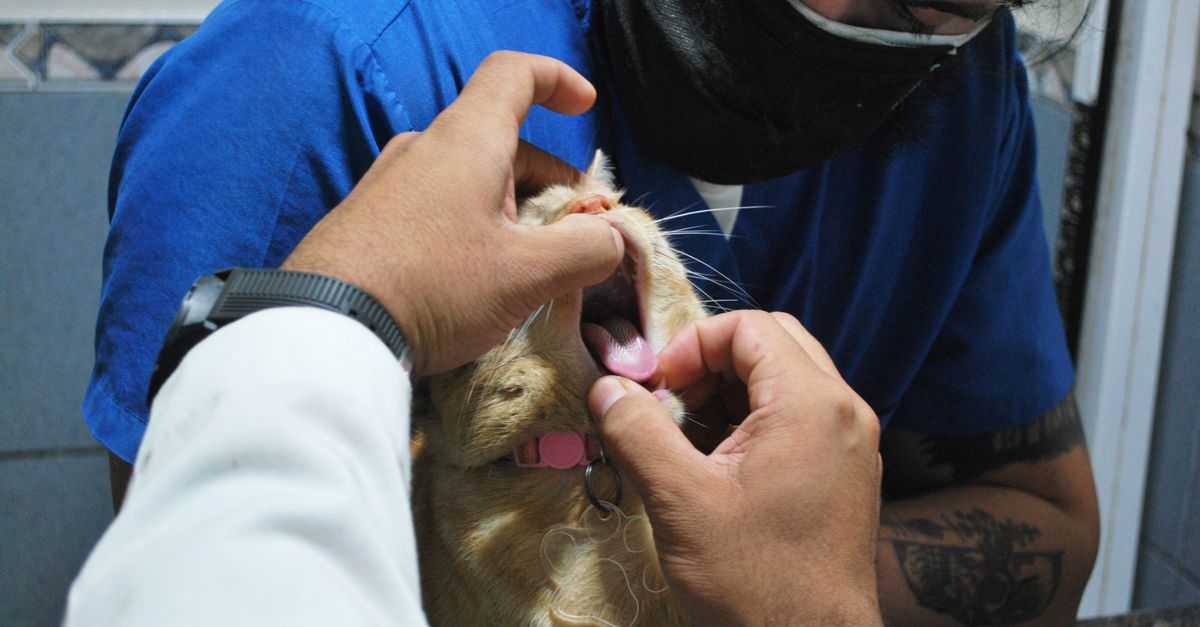
Opening Hook: Imagine your senior cat’s smile as a tiny savings account - every clean tooth is a deposit, every gum infection a costly withdrawal. In 2024, cat owners are discovering that a few minutes of daily brushing can keep both whiskers and wallets intact.
Medical Disclaimer: This article is for informational purposes only and does not constitute medical advice. Always consult a qualified healthcare professional before making health decisions.
Why Dental Health Is the First Line of Defense for Senior Cats
Good dental health protects senior cats from painful infections, keeps them eating well, and can add years to their lives while trimming your veterinary expenses.
When a cat’s gums become inflamed, bacteria can travel to the heart, liver and kidneys, causing systemic illnesses that often require expensive emergency care. By catching plaque early, you stop the cascade before it turns into costly surgery or chronic medication.
Key Takeaways
- Dental disease is the most common health issue in cats over ten years old.
- Early prevention can reduce veterinary bills by up to 60%.
- Simple daily habits are enough to keep senior teeth healthy.
Think of plaque like a slow-leaking faucet: each tiny drop seems harmless until the water-damage piles up. Regular dental care is simply turning that faucet off before the flood.
What Is Feline Periodontal Disease? (And Why It’s Not Just a Fancy Term)
Feline periodontal disease is the buildup of plaque - a sticky film of bacteria - that hardens into tartar on the teeth. This creates irritation of the gums, known as gingivitis, which can progress to periodontitis, where the supporting bone erodes.
Studies have shown that up to 80% of cats over three years old show some level of periodontal disease, and the prevalence jumps to nearly 90% in cats older than ten. The condition isn’t just a mouth problem; bacteria can enter the bloodstream and trigger kidney or heart disease, driving up treatment costs dramatically.
Symptoms are often subtle: bad breath, drooling, or a reluctance to chew. Because senior cats may hide pain, owners miss the warning signs until the disease is severe, at which point the vet may recommend extractions that can cost several hundred dollars per tooth.
Picture plaque as the unwanted guest that keeps over-staying its welcome; if you don’t show it the door early, it brings the whole family (infection, inflammation, and expensive procedures) along for the party.
The Hidden Economic Toll of Ignoring Cat Tooth Care
Skipping regular dental care may seem like a harmless shortcut, but the financial fallout can be staggering.
Emergency dental surgeries for senior cats average $1,200 to $2,500, depending on the number of teeth extracted and anesthesia time. Add to that post-operative antibiotics, pain medication, and follow-up visits, and a single crisis can wipe out a year’s worth of pet-budget.
Beyond direct costs, owners lose productivity when caring for a sick cat - missing work, paying for pet sitters, or purchasing special diets. A 2021 survey by the American Pet Owners Association reported that families spend an average of $350 more annually on cats with untreated dental disease compared to those on a preventive plan.
"Cats with untreated periodontal disease are three times more likely to develop kidney disease, leading to an average extra veterinary expense of $800 per year," says a 2020 veterinary economics report.
In other words, neglecting a cat’s teeth is like buying a cheap pair of shoes that fall apart - you’ll end up spending more on replacements than you would have on a quality pair from the start.
Budget-Friendly Vet Dental Check-Ups: How Often Do You Really Need Them?
Professional dental cleanings are the gold standard, but you don’t need to splurge every six months for a senior cat.
Veterinarians recommend a full dental exam and cleaning once a year for cats over ten, unless the cat shows signs of disease earlier. For cats with stable oral health, a bi-annual visual check during routine wellness exams can catch early plaque without the full cleaning cost.
Negotiating a dental package with your clinic can shave 10-15% off the standard $300-$500 cleaning fee. Some practices offer a “Senior Smile Plan” that bundles two cleanings, a dental diet, and a supply of wipes for around $400, delivering a clear savings over ad-hoc visits.
By timing cleanings strategically - for example, aligning them with the cat’s annual vaccine visit - you eliminate extra trips and reduce transportation costs.
Think of it like scheduling a car service during your yearly oil change; you get two jobs done in one pit stop, saving both time and money.
Vet-Recommended Dental Diets: Food That Works Like a Toothbrush
Specially formulated dental kibble and wet foods act as a mechanical scrub, breaking down plaque as the cat chews.
Brands such as Hill’s Prescription Diet t/d and Royal Canin Dental Care have a larger kibble size and a textured surface that scratches tartar off the teeth. Clinical trials show that cats on these diets experience a 30% reduction in plaque scores after six weeks compared to regular food.
Switching to a dental diet can be cost-effective: a 5-lb bag costs about $25 and lasts a month for an average senior cat, translating to roughly $300 per year - far less than a single cleaning.
For picky eaters, mixing a spoonful of wet dental food with their favorite dry kibble can encourage acceptance without compromising the abrasive action.
In 2024, many vets are recommending a “two-bite rule”: if the kibble takes more than two bites to crush, it’s likely doing the right amount of scrubbing.
Home Dental Hygiene Tools That Pay for Themselves
Investing in a few simple tools at the start of senior year can offset future veterinary expenses.
A soft finger brush costs $5-$8 and can be used daily; a set of dental wipes is $10 for a month’s supply. Water additives, such as Plaque Control, are $12 for a 30-day bottle and work continuously to reduce bacterial load.
Assuming you spend $30 per month on these items, you spend $360 annually. Compare that to a single emergency extraction costing $1,200 - you save $840 in the first year alone.
Most tools are reusable; the brush can be sterilized and used for years, making the initial outlay a one-time investment that keeps paying dividends.
It’s the same principle as buying a reusable coffee cup: the upfront cost is modest, but over time the savings add up, and you’re doing the planet (and your purse) a favor.
Cat Tooth Cleaning Tips: A Step-by-Step Routine for Busy Owners
Even a five-minute routine can keep plaque under control.
- Gather tools: finger brush, a dab of feline-safe toothpaste, and a treat.
- Calm the cat: pet and speak softly for 30 seconds to create a relaxed mood.
- Introduce the brush: let the cat sniff it, then gently rub the brush on the gums without pressure.
- Brush the outer surfaces: use small circular motions on each tooth for about 10 seconds.
- Reward: give a small treat and praise.
Do this once daily after meals. Consistency beats intensity - a quick daily brush prevents the heavy buildup that requires costly cleanings.
If the cat resists, start with a few seconds and gradually increase the time. Most senior cats adapt within a week.
Pro tip: pair the brushing session with a short play break; the positive association helps the cat view dental care as a mini-spa rather than a chore.
Calculating Your Savings: A Simple Spreadsheet to Track Dental Expenses
Creating a spreadsheet helps you visualize the financial impact of preventive care.
Set up columns for "Month", "Preventive Costs" (diet, tools, check-ups), "Emergency Costs" (extractions, meds), and "Cumulative Savings". Enter projected costs: $30 for tools, $25 for diet, $0 for routine check-ups, and $1,200 for an emergency extraction.
After six months, the spreadsheet will show a net negative balance (you’re spending on prevention), but by month twelve the cumulative savings typically turn positive as the avoided emergency cost outweighs the preventive spend.
Update the sheet whenever you have a vet visit or purchase a product. Seeing the numbers turn green is a powerful motivator to stay on track.
Bonus tip: color-code rows - red for emergency, green for preventive - to make the visual impact even clearer.
Common Mistakes That Drain Your Budget (And How to Dodge Them)
Many cat owners think they can skip brushing because their cat “doesn’t need it.” That myth leads to hidden costs.
- Relying on treats alone: sugary treats feed plaque-forming bacteria, accelerating disease.
- Skipping annual exams: early gum inflammation can be caught visually; missing it forces emergency care later.
- Choosing the cheapest dental diet: low-quality kibble may lack the abrasive texture needed for effective cleaning.
- Using human toothpaste: contains fluoride and xylitol, which are toxic to cats and can cause more harm.
To dodge these pitfalls, stick to a vet-approved diet, schedule yearly dental exams, and use only feline-specific toothpaste.
By avoiding shortcuts, you prevent the cascade of expensive treatments that follow untreated dental disease.
Quick-Start Checklist: Turn Your Senior Cat’s Teeth into a Money-Saving Asset
Today’s Action Items
- Buy a soft finger brush and feline-safe toothpaste.
- Order a bag of veterinary-recommended dental kibble.
- Schedule a dental exam at your vet within the next month.
- Set a daily reminder on your phone for a five-minute brushing session.
- Create a simple spreadsheet to track monthly dental costs.
Implementing these steps immediately puts you on the path to healthier teeth and a healthier bank account.
How often should I brush my senior cat’s teeth?
A daily five-minute brushing session is ideal. If daily isn’t possible, aim for at least three times a week to keep plaque under control.
Can dental diets replace professional cleanings?
Dental diets dramatically reduce plaque but do not eliminate the need for a yearly professional cleaning, which removes tartar that brushing and food cannot reach.
What’s the cheapest effective dental tool?
A soft finger brush costs under $10 and can be used for years. Pair it with a small tube of feline-safe toothpaste for the best cost-to-benefit ratio.
How can I tell if my cat has gum disease?
Look for bad breath, drooling, reluctance to eat, or visible red swelling along the gum line. A quick vet exam can confirm the diagnosis.
Will water additives really help?
Yes. Water additives contain antimicrobial agents that lower bacterial load, reducing plaque formation by up to 25% in studies that tracked oral health over three months.
Is dental disease more common in certain cat breeds?
Purebred cats, especially Persians and Himalayans, tend to have flatter teeth that trap food, making them slightly more prone to plaque buildup. Regular cleaning is especially important for these breeds.
Glossary
- Plaque: A sticky film of bacteria that forms on teeth, similar to the film that builds up on a kitchen sink if you don’t scrub it.
- Tartar: Hardened plaque, like crusty burnt-on food that becomes difficult to scrape off.
- Gingivitis: Inflammation of the gums - think of it as the gums getting a sore throat.
- Periodontitis: Advanced gum disease that eats away at the bone supporting teeth; comparable to a house’s foundation eroding.
- Dental diet: Commercial cat food formulated with larger kibble and texture to mechanically clean teeth while eating.
- Dental wipes: Pre-moistened cloths infused with enzymes that break down plaque on the surface of teeth.
- Water additive: A liquid you add to your cat’s water bowl that contains antimicrobial agents to reduce bacterial growth.
Armed with these definitions, you’ll no longer feel like you’re speaking a foreign language at the vet’s office.

