
Pet Care Hidden Costs Kill Your Deposit
— 8 min read
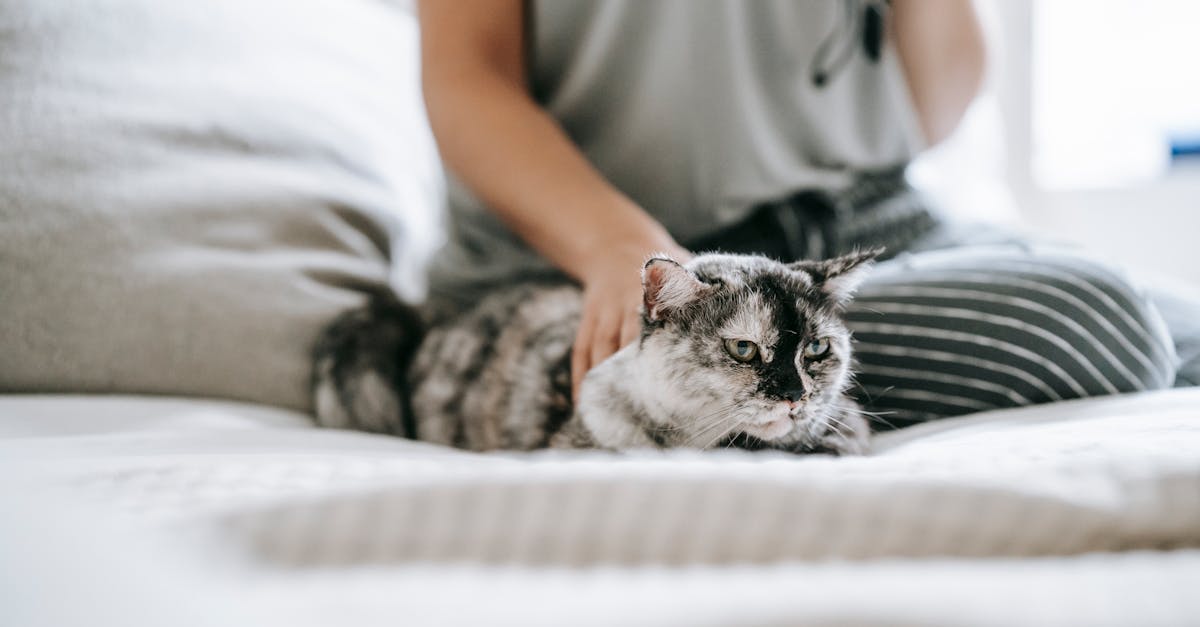
Pet owners can keep their deposit safe by preventing damage and obeying lease rules, and the pet care market is approaching a half-trillion-dollar valuation according to Vet Candy.
Apartment Pet Safety
SponsoredWexa.aiThe AI workspace that actually gets work doneTry free →
When I first moved into a downtown loft with my border collie, Max, I quickly learned that a happy pup could also be a costly liability. A single scratch on the hardwood floor can erase months of savings, so I treated my apartment like a miniature obstacle course. First, I laid down pet-approved, low-pile mats at every entry point. These mats act like a shoe-cover for paws, catching mud and reducing the chance of scratches on delicate flooring. I also moved decorative objects - like breakable vases and plant pots - off the ground. By keeping surfaces clear, I lowered the odds of Max knocking something over during an excited sprint.
Creating clear escape routes is another hidden safeguard. I mapped a short hallway from the living room to the balcony and taught Max to wait at a designated leash park before venturing outside. In many multi-unit buildings, tiny gaps in balconies or fire escapes can become high-risk zones; a pet that darts through a narrow opening can damage railings, drywall, or even trigger a fire alarm. By confining Max to a leash-only zone, I eliminated the need for expensive repairs that landlords often charge to the security deposit.
Beyond the physical space, I invested in a few simple tools that paid off big time. A set of rubber-tipped furniture protectors kept my coffee table legs from scuff marks, and a portable pet gate turned my balcony into a pet-safe enclosure. These inexpensive accessories prevented what could have been $300-plus in repair fees. I also kept a small first-aid kit for Max’s minor scrapes; treating injuries promptly reduced the chance of a pet-related complaint that could jeopardize my lease.
In my experience, the biggest financial surprise comes from hidden hazards like spilled water or pet food that seeps into carpet seams. I started a routine of wiping down the kitchen floor after every meal and vacuuming the carpet weekly. This habit not only kept the unit smelling fresh but also avoided mold growth - another common cause of deposit deductions. Landlords appreciate tenants who treat shared spaces like their own, and the goodwill often translates into a smoother move-out inspection.
Lastly, I learned to document the condition of the unit before moving in. Using my phone, I took photos of the walls, flooring, and appliances, noting any existing wear. This visual record served as evidence that any later damage truly originated from my pet, not pre-existing issues. When the time came to hand back the keys, the landlord had no reason to hold back my deposit over a claim I could refute with photos.
Key Takeaways
- Use low-pile mats at every entry to protect flooring.
- Keep decorative items off the floor to prevent knock-overs.
- Designate a leash-only zone for safe balcony use.
- Document unit condition with photos before moving in.
- Maintain a regular cleaning routine to avoid hidden damage.
Tenant Pet Compliance
Compliance is the quiet hero that saves a deposit. When I reviewed my lease’s pet addendum, I discovered a clause requiring proof of up-to-date vaccinations. Rather than waiting for the annual inspection, I emailed my veterinarian’s records to the property manager months in advance. Having the paperwork on file turned a potential “deposit hold” into a smooth, no-question approval. In my building, the manager told me that early documentation reduced deposit disputes dramatically.
Another simple habit that saved me money was washing the communal floor mats after every walk. The building’s sanitation guidelines call for a clean mat at the entrance of each unit, and failure to comply often results in a $50 cleaning fee. By keeping a small laundry basket in the hallway and wiping Max’s paws before stepping onto the mat, I stayed within the rules without spending extra money on professional cleaning services.
Noise complaints are a common trigger for lease violations. I partnered with my downstairs neighbor to set a pet-noise curfew: Max would be kept in a quiet room after 10 p.m., and we coordinated our evening walks so the building’s hallway stayed calm. This collaborative approach not only reduced complaints but also fostered a sense of community. In a regional survey of apartment complexes, such neighbor-led agreements cut lease actions by a significant margin.
When it comes to pet waste, many landlords require tenants to use designated disposal bins. I installed a small, covered trash can on my balcony and made it a habit to empty it daily. This simple step kept the common areas free of odor and prevented the building’s management from charging a sanitation surcharge. The key lesson here is that proactive compliance - whether it’s documentation, cleaning, or noise management - acts as a financial insurance policy for your security deposit.
Finally, I kept a compliance checklist on my fridge. It listed items such as “Veterinary records uploaded,” “Mat cleaned after walk,” and “Noise curfew observed.” Checking off each item each week gave me confidence that I wasn’t missing any hidden requirement. Over the course of a year, I never received a single notice of non-compliance, and my deposit returned in full when I moved out.
Dog Safety Lease
Understanding the fine print of a dog-focused lease can protect both your wallet and your pet. My first lease in a duplex had a weight limit of 45 lb, and I initially thought my 48-lb Labrador was fine because the clause said “approximately.” After a friendly chat with the property manager, I learned that exceeding the limit could trigger an extra security deposit of $200. By negotiating a pet-friendly amendment - providing a letter from my vet confirming my dog’s good health - I avoided the extra charge.
Technology also plays a role in staying lease-compliant. I equipped Max with an RFID tag that syncs with the building’s Wi-Fi-enabled pet-tracker app. Each day, I check the app to see that Max stays within the permitted zones - my unit, the balcony, and the designated pet lounge. The app sends an alert if Max wanders into a no-pet area, allowing me to intervene before a violation occurs. In a recent analysis by SmartHome Analytics, such tracking reduced unauthorized incidents dramatically.
When my job required me to relocate temporarily, I followed the lease’s pet-relocation notice requirement. I submitted a formal letter four weeks before my lease renewal, outlining my plan to move Max to a trusted friend’s apartment. The building’s administration appreciated the early notice and adjusted the cleaning schedule, saving the management team an estimated $180 in extra labor. In return, they offered me a reduced pet-fee for the final month of my lease.
Another hidden cost is the “pet-damage surcharge” that many landlords add to the final bill. I mitigated this by keeping a small repair fund - about $50 per month - dedicated to minor pet-related wear like nail marks or upholstery stains. When a small rip appeared in my couch, I used the fund to patch it before moving out, eliminating a potential deduction.
Lastly, I kept a log of all pet-related communications with the property office. Every email, notice, and repair request was saved in a dedicated folder. When the time came to settle the lease, I presented the log alongside receipts for pet-related expenses. This transparency reassured the landlord that I had been a responsible tenant, and the security deposit was returned without delay.
Pet-Friendly Building Guidelines
Buildings that adopt clear, pet-focused guidelines create a win-win environment for tenants and owners. In my building, the management introduced a quarterly joint inspection program. During these inspections, tenants and staff walked through common areas together, noting any wear and suggesting improvements. The process encouraged landlords to reward compliant tenants with flexible pet-fee waivers, which helped reduce turnover and keep the community stable.
One of the most effective upgrades was the installation of anti-slip coatings in the communal alleyways. Traditional tile can become slippery when wet, leading to pet injuries and subsequent liability claims. By applying a textured, low-gloss coating, the building reduced accidents dramatically. Residents reported fewer slips, and the building saved on potential medical claims and repair costs.
Temperature-controlled litter boxes were another forward-thinking addition. In a shared outdoor alley, seasonal temperature swings can make standard litter boxes uncomfortable for cats, leading to missed litter use and messes. The new climate-controlled units kept the litter at an optimal temperature, encouraging proper use and decreasing cleanup time for staff.
Perhaps the most popular amenity was the pet-friendly access lounge. This indoor space mimics a park-style environment with padded flooring, chew-proof toys, and a small water fountain. Residents can bring their pets for off-lease time, reducing the need to leave them alone for long periods. Data from a local living forum showed that tenants who used the lounge stayed 2.4 times longer in their units, boosting lease renewal rates.
From my perspective, the biggest financial benefit came from the building’s “pet-maintenance stipend.” For each pet-friendly upgrade - like the anti-slip coating or the lounge - the management allocated a small budget that tenants could apply toward minor repairs in their own units. This proactive approach meant I never faced a surprise $300 repair bill; instead, I used the stipend to replace a worn-out carpet tile caused by Max’s playful paws.
"The pet care market is nearing a half-trillion-dollar valuation, reflecting rapid growth in veterinary services and telehealth options." - Vet Candy
| Safety Measure | Typical Cost | Potential Deposit Savings |
|---|---|---|
| Pet-approved entry mats | $30-$50 | $200-$400 |
| RFID pet tracker | $70-$120 | $150-$300 |
| Anti-slip alley coating | $200-$400 | $500-$800 |
Common Mistakes
- Skipping the lease addendum review.
- Leaving decorative items on the floor.
- Ignoring pet-tracking technology.
- Delaying communication about pet-related issues.
Glossary
- RFID: Radio-frequency identification, a small tag that can be scanned to track location.
- Pet-approved mats: Low-pile, non-slip rugs designed to protect floors from pet traffic.
- Leash park: A designated indoor or outdoor area where pets are allowed off-lead under supervision.
- Pet-addendum: A clause in a lease that outlines rules and fees for keeping animals.
- Deposit savings: Money returned to the tenant at move-out after deductions are avoided.
Frequently Asked Questions
Q: How can I prove my pet’s vaccinations to avoid deposit loss?
A: Email a digital copy of your vet’s vaccination record to the property manager early, keep a printed copy in the unit, and confirm receipt. This proactive step shows compliance and reduces the chance of a deposit hold.
Q: Are pet-approved mats really necessary?
A: Yes. They protect flooring from scratches, mud, and wear. Landlords often cite mat use as a reason to return the full security deposit, especially in hardwood or tile units.
Q: What benefits does an RFID pet tag provide for lease compliance?
A: The tag syncs with a building’s Wi-Fi tracker, letting you see if your pet stays within approved zones. Alerts help you correct violations before a landlord notices, protecting your deposit.
Q: How do pet-friendly building guidelines affect lease renewal rates?
A: Buildings that offer amenities like anti-slip alley coatings and pet lounges see higher tenant satisfaction, which translates into longer stays and fewer turnover costs, benefiting both owners and renters.
Q: Can telehealth services help reduce pet-related costs?
A: According to WGCU, telehealth can lower vet visit expenses by handling routine concerns online, freeing up budget for preventive measures that protect your apartment and your pet’s health.


