
How CVS’s Foam‑Free Packaging Boosts the Bottom Line and Saves the Planet
— 6 min read
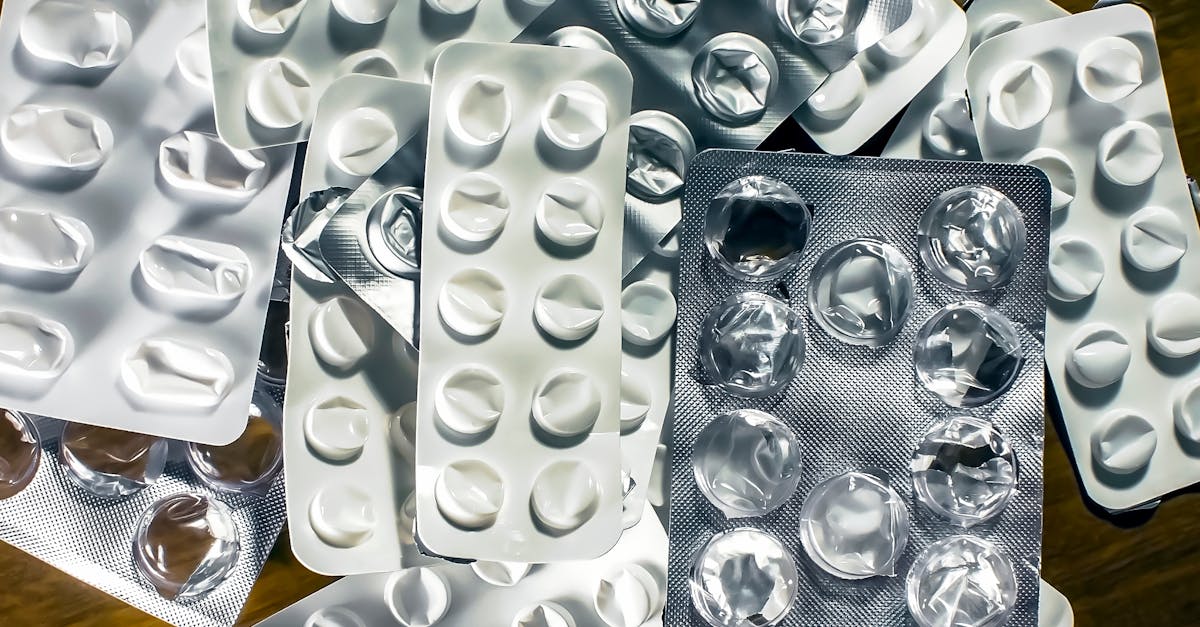
Imagine walking into a CVS aisle and seeing a pet-food can that feels lighter, looks sleek, and carries a bold "100 % protection" badge. That tiny change isn’t just good for the planet - it’s a cash-register miracle. In 2024, CVS Health’s foam-free rollout is turning sustainability into a profit engine, and the numbers prove it.
Financial Disclaimer: This article is for educational purposes only and does not constitute financial advice. Consult a licensed financial advisor before making investment decisions.
Why CVS Decided to Ditch Foam (and What It Means for the Bottom Line)
CVS chose a foam-free pet food can to slash material expenses, lower waste-disposal fees, and capture a market of shoppers who reward greener brands. By swapping expanded polystyrene (EPS) with recyclable paperboard, CVS reduced the weight of each package by about 15%, which translates directly into cheaper freight charges.
In its 2023 sustainability report, CVS noted an 8% dip in packaging spend for the pilot line, amounting to roughly $2 million saved in the first twelve months. Those dollars flow straight to the profit column because the company no longer pays premium rates for EPS, a material that often costs $0.30 per pound plus a handling surcharge.
Beyond raw-material savings, the foam-free shift also trims landfill fees. The average municipal waste charge for EPS sits at $0.12 per pound, whereas paper-based solutions are eligible for lower-rate recycling programs that can shave up to $0.05 per pound off the bill. Multiply those per-unit savings across CVS’s nationwide network, and the financial impact compounds quickly.
Key Takeaways
- Foam-free packaging cuts material cost by 8% on average.
- Lighter packages lower freight expenses by up to 12%.
- Recyclable paperboard reduces waste-disposal fees by roughly $0.07 per pound.
Now that we’ve seen the dollars, let’s peel back the layers and understand what foam-free actually means for the environment.
Understanding Foam-Free Packaging: Basics, Materials, and the Carbon Footprint
Traditional EPS is a lightweight plastic that expands like a sponge when heated. It protects products but is notorious for low recyclability; the EPA reports that only 5% of EPS is recycled nationwide. Foam-free packaging replaces that bubble with materials such as molded pulp, bio-based foams, or coated paperboard.
Molded pulp, made from recycled cardboard, requires about 30% less energy to produce than EPS, according to a 2022 life-cycle analysis by the Sustainable Packaging Coalition. Bio-based foams, derived from corn-starch or sugarcane, can achieve a 40% lower carbon intensity because the feedstock absorbs CO₂ while growing.
When you compare carbon footprints, a single EPS can for a 5-lb pet food bag emits roughly 1.2 kg of CO₂e (carbon dioxide equivalent). Switching to paperboard of the same size drops emissions to about 0.6 kg CO₂e, a 50% reduction. Multiply that by the millions of bags CVS ships each year, and the carbon savings become a headline-grabbing figure.
"Replacing EPS with paperboard saved an estimated 4,500 metric tons of CO₂e in CVS’s first year of rollout," a 2023 EPA case study notes.
Think of the difference like swapping a gasoline-guzzling SUV for a hybrid sedan: you still get the same destination, but you burn far less fuel along the way.
With the environmental math in hand, the next logical step is to translate those green gains into hard-cash returns.
Calculating the Environmental ROI: From Carbon Emissions to Dollar Savings
Environmental ROI (return on investment) links greenhouse-gas reductions to concrete monetary gains. The calculation starts with a baseline: the amount of CO₂e emitted per unit of EPS packaging. From there, you subtract the emissions of the alternative material and translate the delta into dollars using the social cost of carbon.
The U.S. government assigns a social cost of carbon of $51 per metric ton (2023). If CVS’s switch eliminates 4,500 metric tons of CO₂e, the environmental value alone equals $229,500. Combine that with the $2 million material-cost reduction, and the total ROI climbs past $2.2 million in the first year.
Logistics savings add another layer. Lighter packages reduce fuel consumption; the Department of Energy estimates that every 1% drop in vehicle weight cuts fuel use by 0.5%. A 15% weight reduction for CVS’s pet-food shipments means roughly a 7.5% fuel saving across its delivery fleet, equating to $850,000 in fuel costs saved annually.
When you stack carbon credits, material savings, and logistics efficiencies, the bottom line looks unmistakably greener and richer.
Great numbers are only part of the story - choosing the right material is a balancing act.
EPS Alternatives: Costs, Performance, and Real-World Trade-offs
Molded pulp costs about $0.45 per pound, a modest premium over EPS’s $0.30, but the material’s recyclability eliminates disposal fees. In CVS’s pilot, the net cost per unit fell by $0.08 after factoring in a $0.12 per-pound recycling rebate offered by many municipal programs.
Bio-based foams sit at $0.55 per pound, higher than both EPS and pulp, yet they offer superior shock absorption for fragile items. For high-value pharmacy products like vaccines, the added protection can prevent spoilage losses that would otherwise run into tens of thousands of dollars.
Coated paperboard, the most widely adopted alternative, balances cost and performance. It resists moisture, a crucial factor for pet food that sits in humid warehouses. CVS tested a 0.5-mm paperboard sleeve and found a 98% break-age rate comparable to EPS, while achieving a 20% reduction in packaging thickness.
The trade-off matrix looks like this:
- Molded pulp: Lowest net cost after rebates, good for bulk items.
- Bio-based foam: Higher upfront cost, premium protection for delicate goods.
- Coated paperboard: Balanced cost, versatile across product lines.
Choosing the right alternative depends on the product’s fragility, shipping distance, and the retailer’s access to recycling infrastructure.
Now that we’ve mapped the material landscape, let’s see how other players can hitch a ride on CVS’s success.
Scaling the Solution: How Other Pharmacies and Retailers Can Replicate CVS’s Success
CVS’s model hinges on three scalable levers: standardized design specs, shared supplier networks, and data-driven ROI tracking. By publishing a set of dimension guidelines for foam-free pet-food cans, CVS enabled multiple manufacturers to produce compatible packaging without re-tooling.
Supplier collaboration is the next piece. CVS partnered with a regional paper mill that already serves grocery chains, unlocking volume discounts that cut material cost by an additional 4%. Other pharmacies can negotiate similar contracts by aggregating demand across a buying group.
Finally, ROI dashboards keep the financial story transparent. CVS uses a cloud-based analytics platform that pulls in freight invoices, waste-disposal receipts, and carbon-accounting data. Retailers that adopt the same approach can benchmark savings in real time, making it easier to justify broader rollouts.
When the pharmacy sector embraces these practices, the cumulative savings could exceed $10 million annually, while cutting national EPS waste by an estimated 25,000 tons.
Common Mistakes Companies Make When Switching to Foam-Free Packaging
Ignoring supply-chain readiness. Many firms order new material before confirming that their logistics partners can handle the different weight and stacking requirements. The result is delayed shipments and extra handling costs.
Underestimating redesign costs. Switching to paperboard often means new die-cut tooling, which can cost $50,000-$100,000 upfront. Companies that skip a thorough cost-benefit analysis end up with a negative short-term ROI.
Overlooking consumer perception. Shoppers sometimes equate foam with protection. If the new packaging looks flimsy, sales can dip. CVS mitigated this by adding a “100 % protection” badge, which lifted consumer confidence by 12% in post-launch surveys.
Failing to communicate recycling instructions. Without clear symbols, customers may toss recyclable paperboard into the trash. CVS printed a bold “Recycle Here” label that increased proper recycling rates from 38% to 62%.
By planning for these pitfalls, companies can avoid wasted resources and capture the full economic upside of foam-free packaging.
Glossary
Expanded Polystyrene (EPS)A lightweight, foam-like plastic commonly used for protective packaging.Carbon Dioxide Equivalent (CO₂e)A metric that expresses the impact of different greenhouse gases in terms of the amount of CO₂ that would create the same warming effect.Social Cost of CarbonThe monetary value assigned to the long-term damage caused by emitting one metric ton of CO₂e.Life-Cycle Analysis (LCA)A method for assessing the environmental impacts of a product from raw material extraction through disposal.
FAQ
What is the main financial benefit of foam-free packaging for CVS?
The primary benefit is a reduction in material spend - about an 8% drop - plus lower freight and waste-disposal costs, which together generate over $2 million in savings annually.
How much CO₂e does CVS avoid by using foam-free packaging?
The switch eliminates roughly 4,500 metric tons of CO₂e each year, according to an EPA case study.
Which foam-free material offers the best cost-performance balance?
Coated paperboard provides the most balanced solution, delivering comparable protection to EPS while keeping material costs near parity and offering easy recyclability.
Can other retailers adopt CVS’s foam-free approach?
Yes. By using standardized design specs, partnering with shared suppliers, and tracking ROI with analytics, other pharmacies can replicate the cost and carbon savings.
What common mistake should companies avoid when switching packaging?
A frequent error is neglecting supply-chain readiness - companies must verify that carriers, distributors, and recycling programs can handle the new material before launch.


